
Color is far more than a visual experience; it is a powerful emotional language that artists masterfully employ to evoke mood, elicit feelings, and communicate beyond words. Through color, artworks resonate deeply with viewers, shaping perceptions and
Color as Emotion: The Psychological Power of Palette in Art
Updated: December 30 2025
Artists intuitively and deliberately harness color psychology, knowing that each hue triggers distinct responses. Warm colors like reds, oranges, and yellows often stimulate emotions linked to passion, warmth, and energy. Conversely, cooler tones such as blues and greens typically evoke calmness, serenity, or melancholy. This understanding allows artists to construct emotional landscapes within their works that guide viewers through an intended emotional journey.
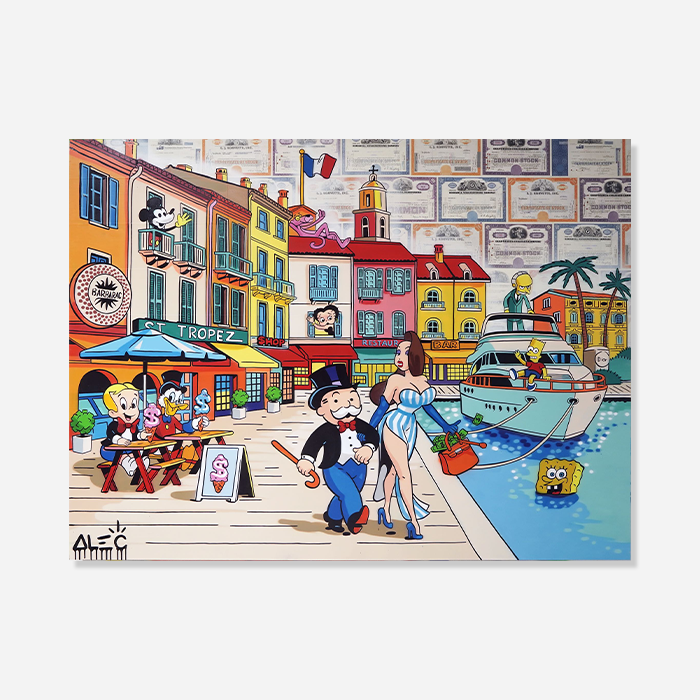
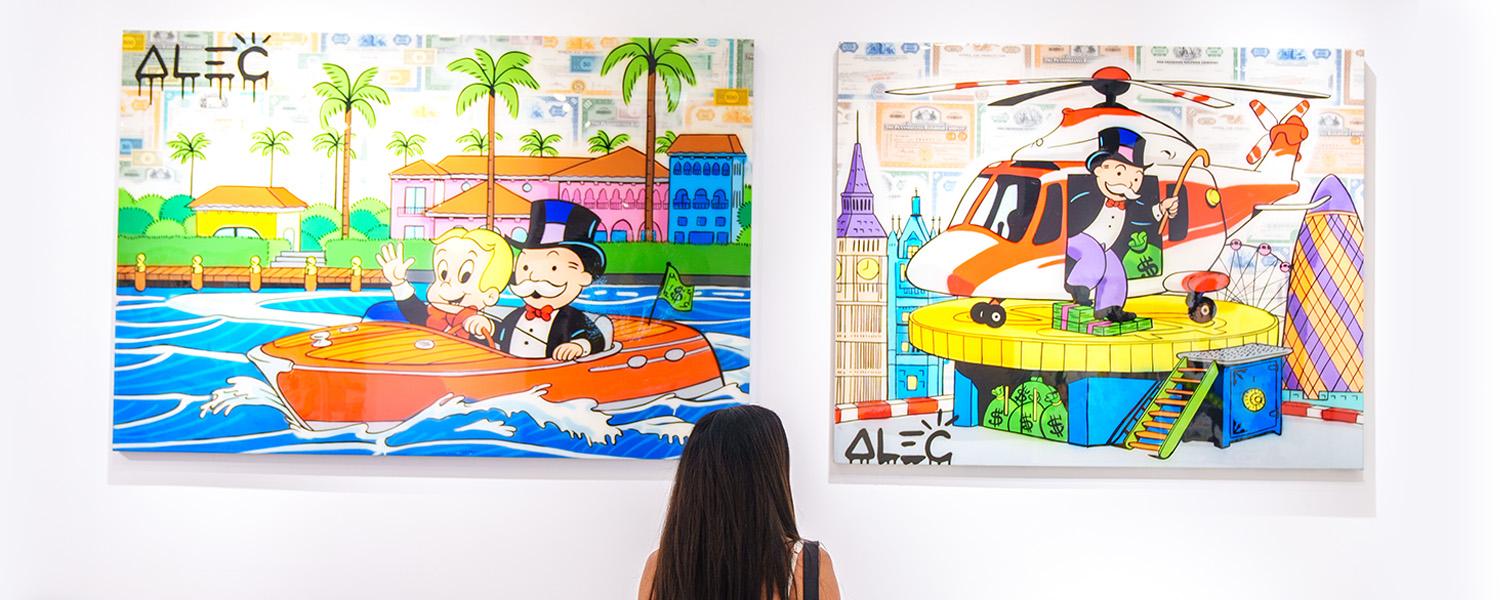
Consider the vivid, bold palette of EDEN Gallery artist Alec Monopoly, whose vibrant reds, energetic yellows, and striking greens not only captivate visually but emotionally energize the viewer, echoing themes of excitement, ambition, and optimism. Monopoly's intentional use of strong colors brings a joyful immediacy, inviting audiences to feel uplifted and invigorated by his playful compositions.
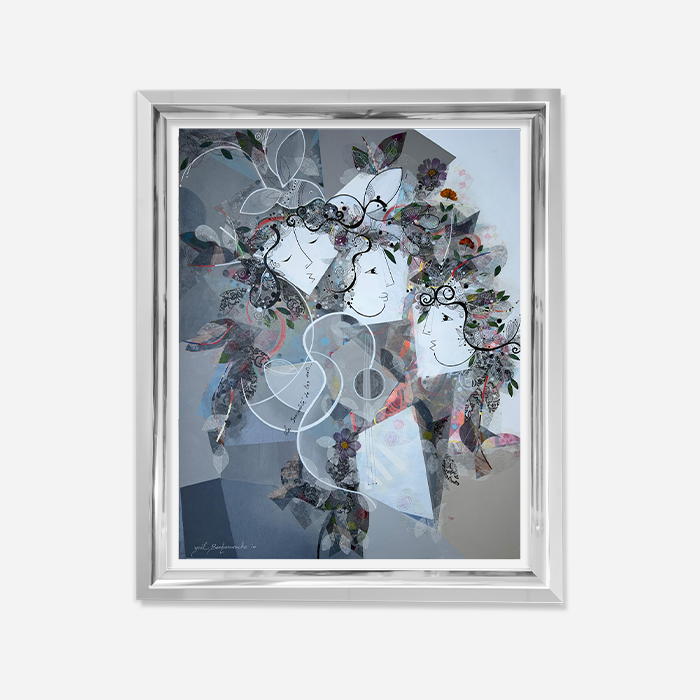
On the other end of the spectrum, EDEN Gallery artist Yoel Benharrouche employs subtle gradients and harmonious shades of blues, whites, and earth tones to craft tranquil yet deeply introspective environments. Benharrouche's work explores spirituality and the inner psyche, utilizing these calming colors to guide viewers toward contemplation and emotional tranquility. His careful orchestration of color harmonies embodies a sense of peace and internal reflection, demonstrating how artists can profoundly influence emotional states through nuanced palettes.
The interplay of color and emotion is also rooted in cultural contexts. In many cultures, white symbolizes purity and peace, yet in others, it represents mourning. Similarly, red might convey love and excitement in one context but danger or urgency in another. Artists keenly aware of these nuances utilize them strategically to amplify their message and impact.
Furthermore, color choices often communicate subconscious meanings and symbolic depths, enhancing the narrative within an artwork. Abstract expressionists like Mark Rothko famously explored how expansive fields of color alone could provoke profound emotional responses, underscoring color's power independent of form or subject matter.
Ultimately, artists' mastery of color goes beyond aesthetics. It is a psychological dialogue—a direct conversation with the viewer's emotional core. Through thoughtful palettes, artists like Alec Monopoly and Yoel Benharrouche exemplify how color can vividly translate human emotion, transforming visual experiences into deeply felt emotional journeys.
RELATED ARTICLES
EDEN
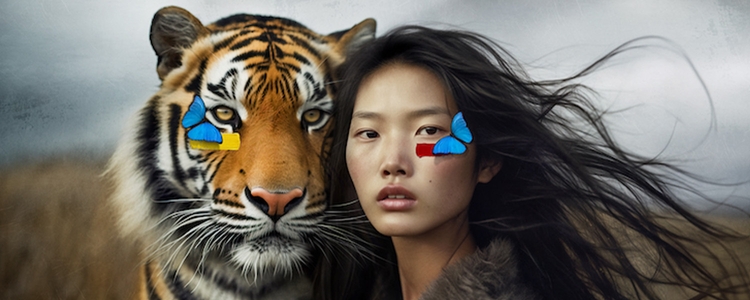
Updated: March 18, 2026Whispers of the Past, Voices of Today: How Artists Resurrect History
Art has ever had the incredible power to bridge time, to not just embody the essence of the moment but to bring the past back to life as well. From classical sculpture to modern-day street art, artists have never failed to find a way to weave
EDEN
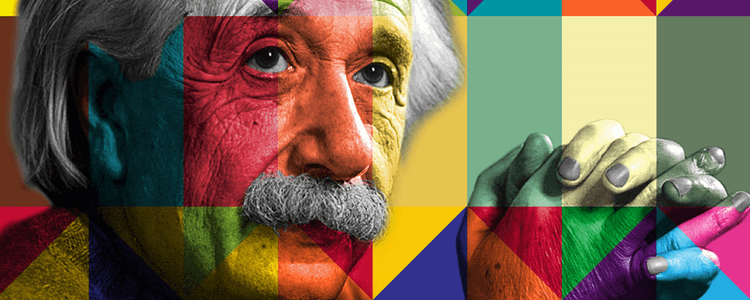
Updated: April 07, 2026The Art of Reflection: Portraits in a Fast-Changing World
Portraiture has long been a powerful tool for artists to explore identity, culture, and the ever-changing human experience. From the classical portraiture of the Renaissance, where artists sought to capture the essence and status of their subjects, to
EDEN
Updated: January 05, 2026The Art of Reflection: Portraits in a Changing World
In an era defined by constant transformation and an ever-evolving cultural landscape, contemporary artists have increasingly turned to portraiture as a powerful medium to explore and reflect upon themes of identity, culture, and societal change. The po
Show more