
In contemporary art, the act of deconstruction is not merely about fragmentation but an intricate process of revealing hidden meanings, challenging established norms, and redefining visual storytelling. Artists from
Fragmented Realities: Deconstruction and Reassembly in Contemporary Art
Updated: August 19 2025
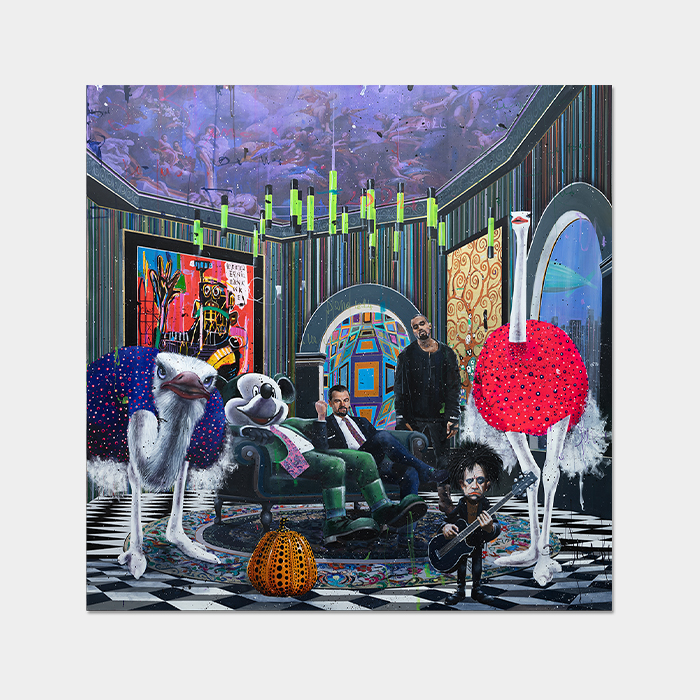
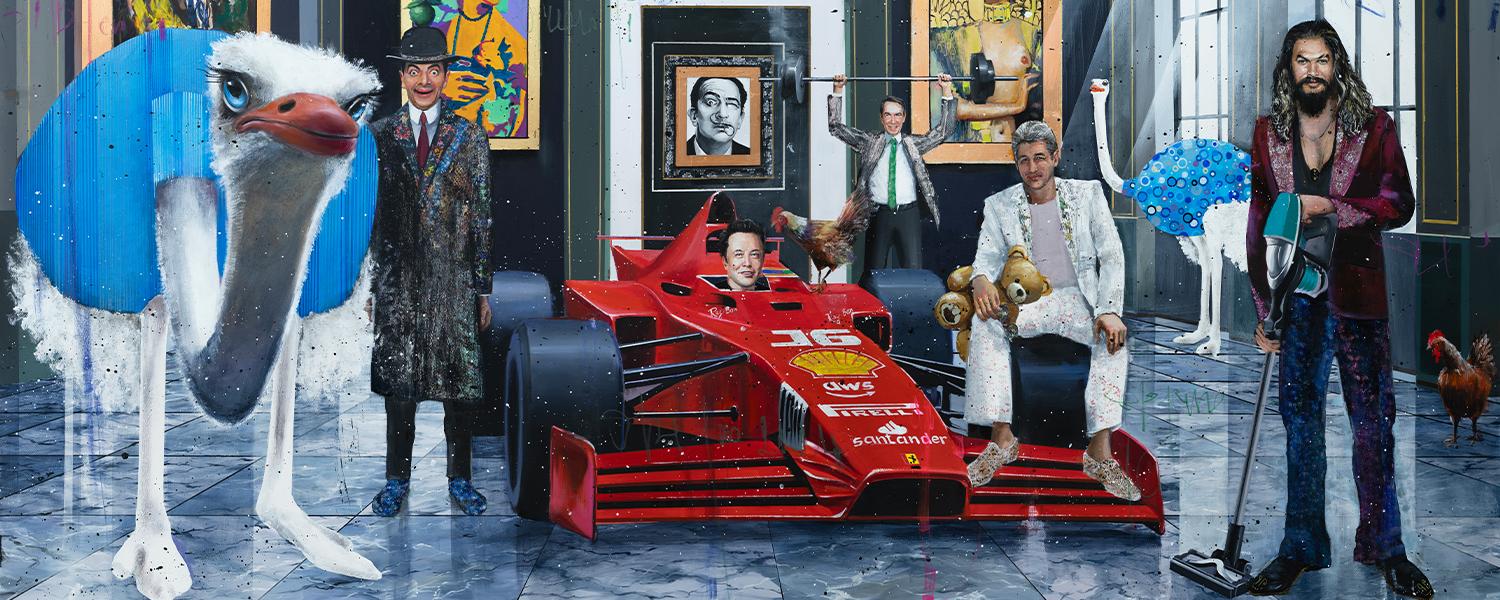
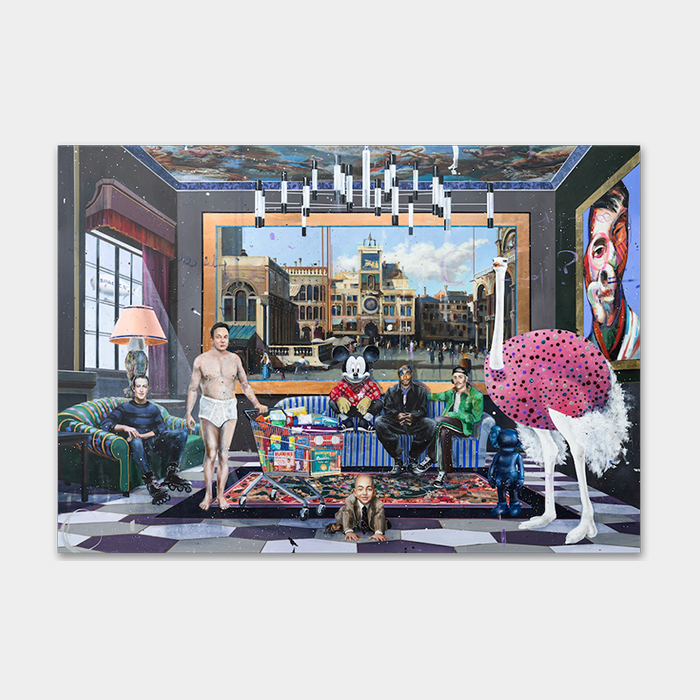
Angelo Accardi exemplifies this through his surreal compositions, where familiar spaces are disrupted by unexpected intrusions. Classical figures and giant ostriches coexist within urban landscapes, turning everyday realities upside down and inside out. His art evokes a deliberate disorientation, urging viewers to question preconceived notions and reflect on the complexity of modern existence. Accardi's mastery lies in his ability to reconstruct scenes that seamlessly merge absurdity with profound insight, creating artworks that compel viewers to unravel layered meanings hidden within visual chaos.
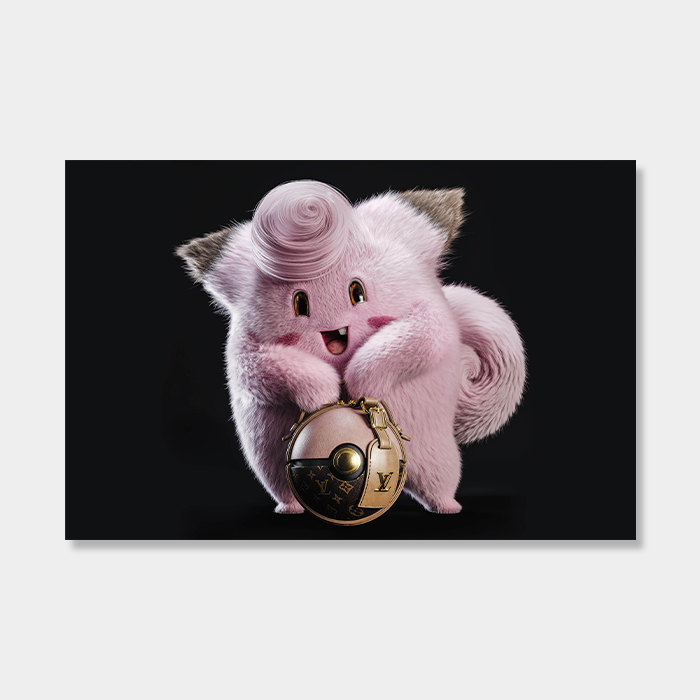
Similarly, Gal Yosef reinterprets iconic imagery with a distinctive contemporary flair, blending nostalgia with high-fashion aesthetics. His meticulous digital sculptures fragment familiar characters and reconstruct them in luxurious, hyper-realistic narratives. Yosef's works dismantle cultural icons, revealing the layers of identity and desire beneath their surfaces. Through this artistic reconstruction, he explores how consumer culture reshapes our perceptions of identity, heritage, and modern aspiration.

Both artists share a common thread in their exploration of fragmented realities. Accardi's juxtaposition of the surreal with the mundane forces viewers to reconsider the boundaries between classical beauty and contemporary life, prompting reflection on modern existence's chaotic harmony. Similarly, Yosef's fragmented yet flawlessly reconstructed imagery encourages viewers to question traditional notions of identity, fame, and the intersection of culture and commerce.
Together, Accardi and Yosef demonstrate the transformative power of deconstruction in contemporary art. Their works encourage audiences to engage with art not merely as passive observers but as active participants in deciphering meaning. By breaking down and reassembling visual narratives, these artists capture the complexities of modern life, offering fresh insights and new perspectives on familiar themes. In their hands, fragmentation becomes a powerful tool for exploration, reflection, and dialogue, vividly illustrating how art continues to evolve alongside our perceptions of self and society.
RELATED ARTICLES
EDEN
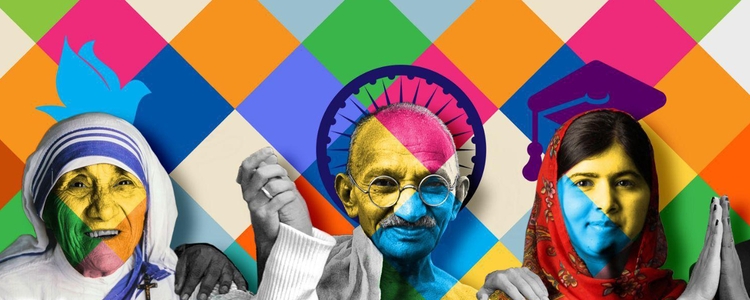
Updated: March 18, 2026Whispers of the Past, Voices of Today: How Artists Resurrect History
Art has ever had the incredible power to bridge time, to not just embody the essence of the moment but to bring the past back to life as well. From classical sculpture to modern-day street art, artists have never failed to find a way to weave

EDEN
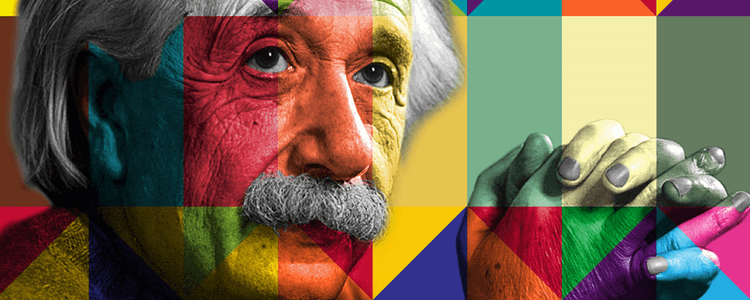
Updated: April 07, 2026The Art of Reflection: Portraits in a Fast-Changing World
Portraiture has long been a powerful tool for artists to explore identity, culture, and the ever-changing human experience. From the classical portraiture of the Renaissance, where artists sought to capture the essence and status of their subjects, to
EDEN
Updated: January 05, 2026The Art of Reflection: Portraits in a Changing World
In an era defined by constant transformation and an ever-evolving cultural landscape, contemporary artists have increasingly turned to portraiture as a powerful medium to explore and reflect upon themes of identity, culture, and societal change. The po
Show more