
Surrealism, an avant-garde movement born in the early 20th century, served as a catalyst, profoundly altering the traditional norms and perceptions of artistic creation and interpretation. This wave of new thought, which burgeoned as a reactionary stan
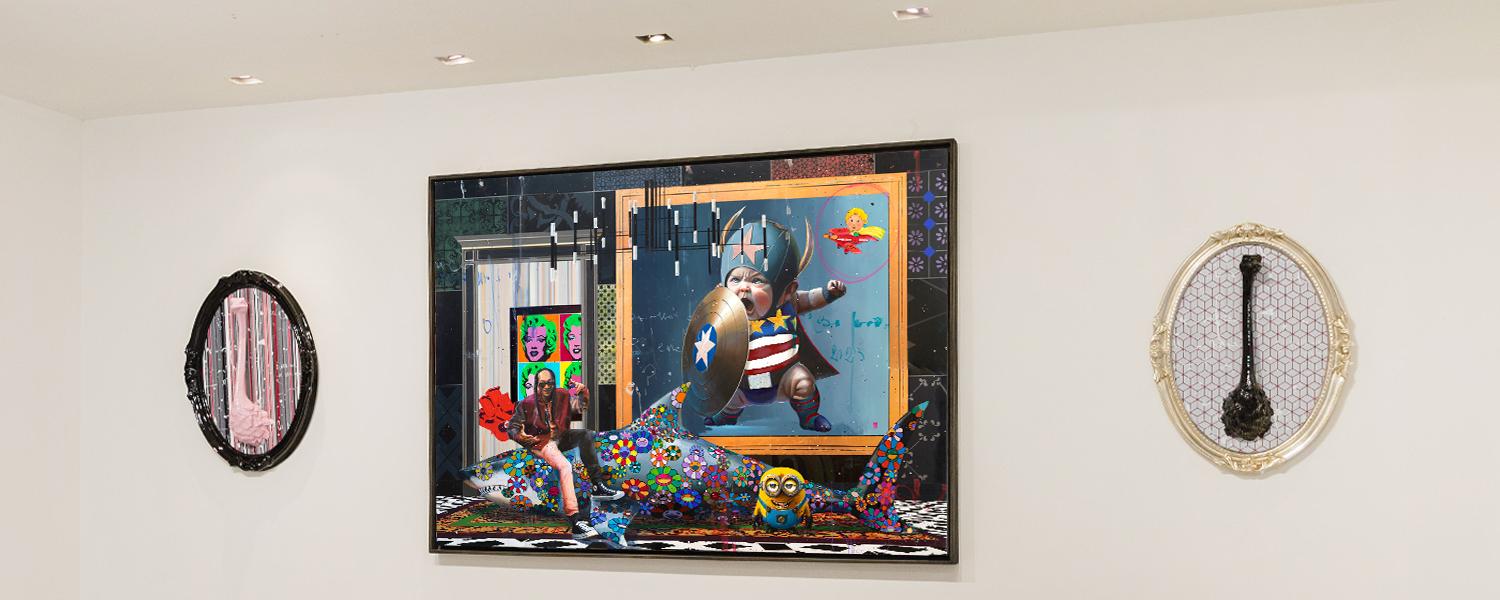
The Surrealist Legacy: Breaching the Boundaries of the Postmodern Artistic Landscape
Updated: July 04 2023

The Surrealist Pantheon is graced by some of the most influential artists of the 20th century. Salvador Dalí, René Magritte, and Max Ernst remain pivotal figures; their innovative artistic techniques and styles are instrumental in molding Surrealism's distinct, dreamy form. Dalí's melting clocks, Magritte's juxtaposed objects, and Ernst's imaginative frottage work all mirror a world wherein 'reality' is beautifully deconstructed, making room for the unpredictable and the fantastic.
These artists masterfully utilized techniques such as automatism – a method to bypass conscious thought, frottage – creating rubbings from textured surfaces, and decalcomania – a printmaking process, to weave together scenes that subverted the logical, often manifesting as uncanny reflections of the dream world. They transformed the canvas into a playground for the subconscious, a platform where conventional logic was replaced with the bizarre and the paradoxical.

Moving beyond its heyday, the ripples of Surrealism continue to impact the postmodern artistic arena. The movement's lasting resonance is seen clearly in the works of contemporary artists like Cindy Sherman and filmmakers such as David Lynch. Sherman's photographs underscore the elasticity of identity and the female form, using surreal elements to unsettle and provoke. Similarly, Lynch's oeuvre, characterized by its uncanny aesthetics and exploration of the subconscious, echoes Surrealism's predilection for the bizarre and the paradoxical.

Surrealism's enduring resonance is not confined to its stylistic legacy, but it also underscores the transformative effect the movement has had on the theoretical underpinnings of art. By freeing the subconscious mind from the shackles of rationality, Surrealism redefined the possible scope of artistic expression, carving out a space where the irrational, dreamlike, and seemingly absurd could not only exist but thrive.
In conclusion, Surrealism's enduring relevance highlights the movement's lasting impact on shaping the artistic narrative, emphasizing its pivotal role in broadening our understanding of the possible, even the impossible, within art. By challenging the boundaries of reality and embracing the subliminal, Surrealism transformed the artistic landscape, leaving an indelible imprint on the postmodern era.
RELATED ARTICLES
EDEN
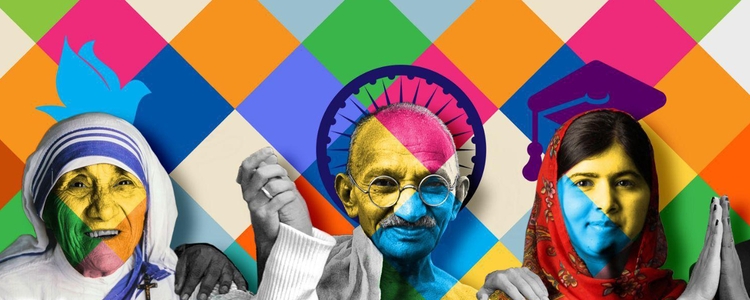
Updated: March 18, 2026Whispers of the Past, Voices of Today: How Artists Resurrect History
Art has ever had the incredible power to bridge time, to not just embody the essence of the moment but to bring the past back to life as well. From classical sculpture to modern-day street art, artists have never failed to find a way to weave

EDEN
Updated: April 07, 2026The Art of Reflection: Portraits in a Fast-Changing World
Portraiture has long been a powerful tool for artists to explore identity, culture, and the ever-changing human experience. From the classical portraiture of the Renaissance, where artists sought to capture the essence and status of their subjects, to
EDEN
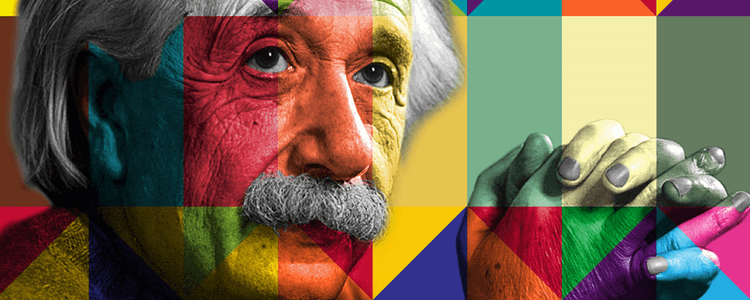
Updated: January 05, 2026The Art of Reflection: Portraits in a Changing World
In an era defined by constant transformation and an ever-evolving cultural landscape, contemporary artists have increasingly turned to portraiture as a powerful medium to explore and reflect upon themes of identity, culture, and societal change. The po
Show more